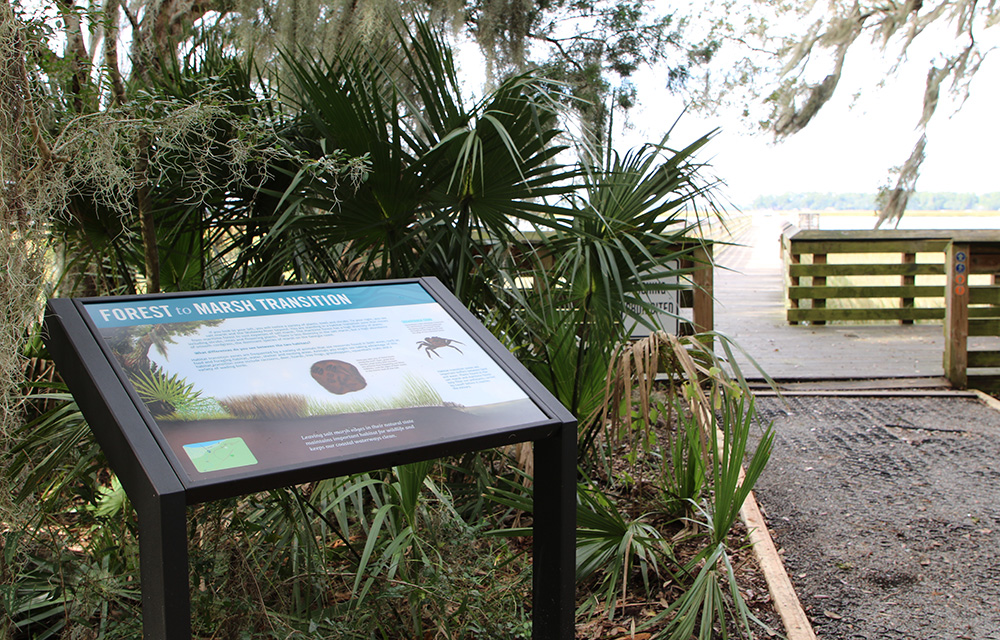
Why the Right Interpretive Sign Manufacturer Matters
Visitors arrive at a park, museum, or historic site eager to understand the stories behind the landscape. They want to know what happened here, who lived here, and why this place matters. Interpretive signs make that possible. A well-designed interpretive panel transforms a simple walk into a learning experience. It provides context, sparks curiosity, and encourages visitors to look closer.
Choosing the right interpretive sign manufacturer is a critical decision. The materials must survive weather and sunlight year after year. The design must blend storytelling, accessibility, and accuracy. The fabrication must be precise. Most importantly, the manufacturer must understand how people interact with interpretive signage in real-world environments.
Two notable projects highlight how experience shapes successful interpretive exhibits. The Nottoway Indian Tribe of Virginia partnered with our Pannier Graphics team to create outdoor interpretive exhibits that help them share their own story with visitors. Shaker Village of Pleasant Hill worked with Pannier to design accessible exhibits that replaced their guided tours during COVID-19 disruptions. Both organizations needed more than signs. They needed a manufacturing partner who could guide them, collaborate closely, and ensure their messages would stand the test of time.
Whether you manage a cultural site, a historic landmark, a conservation area, or an educational trail, selecting the right interpretive sign manufacturer affects every part of your visitor experience.
In Short:
- A strong interpretive sign manufacturer offers deep experience, in-house design, and proven durability.
- Customization matters. The manufacturer should offer layout guidance, accessibility support, and multiple mounting options.
- Materials should be engineered for outdoor longevity, not adapted from short-term signage.
- Real-world projects, like those completed for the Nottoway Tribe and Shaker Village, are the best indicators of long-term quality.
- Pannier combines manufacturing strength with expert interpretive graphic design to create durable, high-impact panels.
The Importance of Choosing the Right Interpretive Sign Manufacturer
Interpretive signs are long-term investments. They must communicate clearly, withstand environmental stress, and remain visually appealing for years. Choosing the right manufacturer ensures:
- Accurate, accessible storytelling
- Panels that resist fading or delaminating
- Mounting systems that remain stable through seasonal changes
- A positive visitor experience driven by clear sightlines and thoughtful design
Organizations often underestimate how much interpretive sign manufacturing varies. Some companies outsource design. Others outsource fabrication. Some offer only one material type or rely on components from multiple vendors. When there is no cohesive, in-house process, quality can suffer.
Both the Nottoway Tribe and Shaker Village selected Pannier because they needed a partner capable of managing the full process, from early concept discussions through fabrication and delivery. Their stories show why integrated manufacturing matters.
Real Project Examples: What the Right Manufacturer Delivers
Nottoway Indian Tribe of Virginia: Outdoor Exhibits That Tell an Authentic Story
The Nottoway Indian Tribe wanted to expand their educational outreach beyond the walls of their Community House and Interpretive Center. Their goal was clear. They needed durable, attractive outdoor exhibits that would help tell their own story on their own terms.
Working with Pannier, they designed a complete outdoor exhibit system that included:
- Single Uprights
- Cantilevered exhibits
- A Triple Offset arrangement
- Fiberglass Embedded panels
- An aluminum Brochure Holder for additional resources
The Tribe evaluated multiple manufacturers before selecting Pannier. Their reasons highlight the qualities customers should look for:
- Flexible design options
- Multiple base and mounting styles
- Quality construction
- Responsive communication
- Smooth, efficient process start to finish
The result was a collection of interpretive panels that now support outdoor presentations and allow the Tribe’s history and culture to be shared even when facilities are closed.
Shaker Village of Pleasant Hill: Accessible Interpretation at a National Historic Landmark
Managing accessibility at historic properties is often challenging. When Shaker Village needed new interpretive exhibits to serve visitors around its 3,000-acre site, they turned to Pannier for accessible, durable, and visually cohesive solutions.
The project included:
- Twenty Fiberglass Embedded panels
- Twenty Cantilevered exhibit bases
- Custom layouts designed to support readability and visitor flow
When guided tours paused during the COVID-19 pandemic, these interpretive exhibits filled a critical gap. They provided self-guided learning opportunities and ensured that guests could still experience the site’s history.
Shaker Village staff specifically praised:
- Smooth communication
- Fast turnaround
- The durability and appearance of the final product
- The ability to serve thousands of visitors with minimal maintenance
These two projects provide real-world proof of the qualities that matter most when selecting a manufacturer.
View all Pannier projects
Experience and Expertise: The Foundation of Quality
Experience is one of the strongest indicators of long-term performance. Interpretive sign manufacturing involves far more than printing a panel. It requires:
- An understanding of visitor behavior and reading patterns
- Knowledge of environmental stressors
- Familiarity with accessibility standards
- Experience working with parks, municipalities, museums, and historical organizations
A proven track record with diverse interpretive projects, like those for the Nottoway Tribe and Shaker Village, demonstrates a manufacturer’s ability to adapt to different environments and storytelling needs.
Pannier brings over 45 years of experience and a team with more than 175 years of combined fabrication expertise. This experience directly benefits customers through informed recommendations and reliable performance at every stage.
Customization Options and Creative Flexibility
Interpretive projects vary widely. A cultural site may need angled cantilevered bases. A botanical garden may require cut-to-shape panels. A museum may need accessible low-profile exhibits.
A good manufacturer offers:
- Multiple frame styles
- Custom shapes and sizes
- Multi-panel configurations
- High-resolution imagery
- Precise color matching
- Hard-copy proofs
- Recommendations for panel placement and visual hierarchy
Nottoway’s project is a strong example of the importance of customization. Their design needed upright, cantilevered, and offset structures. A manufacturer with limited options would not have been able to support their goals.
Pannier’s design team is equally important here. Their production artists specialize in layouts that blend information, art, and accessibility—a core requirement for interpretive graphic design.
Quality of Materials: Durability Determines Long-Term Value
Interpretive signs must last. Sunlight, moisture, temperature swings, and visitor use all impact longevity. A quality interpretive sign manufacturer uses materials engineered for outdoor environments, not adapted from temporary signage.
Two primary materials dominate durable interpretive signage:
1. Fiberglass Embedded (FE)
- Ideal for outdoor installations needing 10+ years of durability
- Highly resistant to UV rays, moisture, and vandalism
- Proven longevity in parks, trails, and historic sites
2. Gel Coat Laminate (GCL)
- Sleek, vibrant finish with excellent UV protection
- Preferred in regions with extreme heat or sun
- Ideal for semi-sheltered outdoor environments
These materials achieve long-term cost savings. While interpretive signs may cost more upfront when made with FE or GCL, reduced maintenance and fewer replacements make them far more cost-effective over time.
Shaker Village selected FE panels specifically because they could withstand heavy visitor traffic, weather exposure, and long-term outdoor installation.
Design and Manufacturing Capabilities: Precision Matters
A manufacturer’s capabilities directly influence visual clarity, panel lifespan, and visitor experience. Look for:
- In-house fabrication (not outsourced subcontracting)
- Equipment capable of producing large panels and cut-to-shape designs
- A design team that collaborates with production
- Quality control checkpoints at every stage
- Ability to fabricate frames, not only panels
Nottoway’s exhibits required a combination of panel styles and angled framing. Shaker Village needed a consistent viewing angle across 20 installations. These projects required advanced manufacturing capability, not piecemeal assembly.
Manufacturers who control the process can maintain precision and reliability from design through delivery.
Compliance with Standards and Accessibility
Interpretive signage must meet a variety of guidelines, depending on the site:
- ADA readability requirements
- Accessible viewing heights
- High-contrast text and graphics
- Accurate map orientation
- Safety and structural stability
Shaker Village chose Pannier specifically to address accessibility challenges across their historic property. Cantilevered bases, which Pannier manufactures in-house, place panels at an optimal angle for both standing and seated visitors.
A manufacturer who understands these requirements will help you avoid common issues, such as text that is too small, glare that makes reading difficult, or mounting heights that limit usability.
Turnaround Time and Project Management
Interpretive projects often involve grant deadlines, construction schedules, or seasonal timing. A reliable manufacturer provides:
- Clear estimates and lead times
- Hard-copy proofs
- CAD drawings
- Packing, crating, and shipping handled in-house
- Dedicated customer support during every phase
Both Nottoway and Shaker Village highlighted fast, reliable communication and easy processes as key decision-making factors. When selecting a manufacturer, look for testimonials that speak to responsiveness and smooth project management.
Customer Support and Communication
Interpretive projects often evolve over time. Content may change. New discoveries may emerge. Grant funding may shift. A strong manufacturer offers:
- A single point of contact
- Responsive communication
- Design guidance
- Honest recommendations based on site conditions
- Collaborative problem solving
Many organizations choose Pannier because the team is accessible, personable, and committed to customer success. For interpretive signage, communication is just as essential as production quality.
Cost-Effectiveness: Balancing Budget and Long-Term Value
Interpretive signs cost depends on:
- Panel size
- Panel material (FE vs GCL)
- Mounting style
- Cut-to-shape or specialty requirements
- The level of design support needed
While budget is a major factor, the lowest bid is rarely the best long-term choice. Cheap panels fade quickly or delaminate. Frames may warp or require early replacement. Maintenance becomes a recurring cost.
A quality interpretive sign manufacturer helps you select materials and mounting systems that offer true long-term value. Durable panels cost more upfront, but they maintain clarity and color for a decade or more.
Why Pannier Is a Trusted Interpretive Sign Manufacturer
Pannier is positioned as a leader in interpretive signage for several reasons:
- 45+ years in business manufacturing outdoor signs
- In-house fabrication of both FE and GCL panels
- In-house design team with expertise in interpretive layouts
- Custom exhibit bases and frames built for durability
- Trusted by national parks, historical landmarks, and educational institutions
- Full-service support from concept through delivery
- Proven results with projects like Nottoway and Shaker Village
- Family-owned, highly responsive customer service
- Nationwide shipping from one Pennsylvania facility
These strengths directly support the needs of parks, museums, conservation organizations, zoos, botanical gardens, historic landmarks, and civic spaces.
Key Takeaways
- Interpretive signage is an investment that requires durable materials and expert design.
- Manufacturers should offer full-service support, not fragmented outsourcing.
- Real-world experience with diverse projects is essential.
- Materials like Fiberglass Embedded and Gel Coat Laminate provide long-term value.
- Customization and accessibility features should be standard.
- Pannier delivers design, fabrication, and exceptional customer support from one location.
FAQs
What does an interpretive sign manufacturer do?
They design, produce, and fabricate long-lasting outdoor panels and mounting systems used for storytelling, education, and wayfinding.
What affects interpretive signs cost?
Material choice, size, mounting style, design complexity, and environmental requirements all influence cost.
How long do interpretive panels last?
High-quality FE or GCL panels typically last 10 or more years outdoors with proper installation.
Does Pannier help with interpretive graphic design?
Yes. Pannier’s design team provides layout development, color matching, accessibility guidance, and detailed proofs.
What materials are best for outdoor interpretive signs?
Fiberglass Embedded panels offer exceptional durability. Gel Coat Laminate is ideal for areas with intense sun exposure.
Can I choose custom sizes or shapes?
Yes. Pannier regularly fabricates custom shapes, cut-to-shape designs, and multi-panel configurations.
When should I involve a manufacturer in my project?
Earlier is better. Manufacturers can guide materials, sizing, and mounting decisions before content and layout are finalized.
Partner with a Manufacturer That Supports Your Mission
From environmental wear to accessibility requirements, interpretive signage must perform on many levels. Choosing a manufacturer with in-house design, fabrication, and quality control ensures your panels are accurate, structurally sound, and visually compelling for the long term.
Pannier’s integrated approach removes uncertainty from the process. You receive durable materials, clear communication, expert layout support, and exhibit bases engineered for real-world conditions. Projects like the Nottoway Tribe’s interpretive exhibits and the accessible installations at Shaker Village demonstrate how a collaborative manufacturer can support both your message and your mission.
When you’re ready to move forward, our team is here to provide reliable guidance and custom solutions that stand the test of time.
Contact us today